

The Setting
Although I have made the claim before, it bears repeating. We are living in a time of unprecedented wealth, prosperity, wellness, longevity and relative peace. Simultaneously, we are witness to brazen acts of defiance toward existing laws and norms, open and unapologetic corruption on the part of government officials while shredding the new world order that guided and protected us, our partners and allies for over 80 years.
Is this normal? It doesn’t feel normal. This can’t be normal. Can it? I am of course referring to the actions and behavior of the Trump administration spurred on by one-third of Americans- their loyal supporters. Can anyone honestly say “they make us proud”? They have our respect? They are doing a great job? Maybe it’s, you know, the “new normal.” Or perhaps “post-normal.” Pundits, columnists, and prognosticators are quick to attach these new age qualifiers. Adjectives designed to perhaps calm us down. Make us feel better about this unsettling shift away from honesty, decency and fairness. Insinuating that “resistance is futile.” Or simply to make us feel old and out of touch. I for one am not interested in accepting the 2020’s as a permanent condition. Post sane, if you will.
Normal, of course, is not an absolute state of being. It is relative to what we know or think we know about the world, our country, and our place in it. Or more importantly and closer to home, where I should be focused- on relationships within my community and my family. Usually, when I am upset or confused, this is about as far as I ever get before reality takes over. And I start asking myself silly questions. Like: how can I expect certainty in an uncertain world? Consistency when change is not only inevitable but guaranteed? Peace, justice, and equality, when so many around me have adopted testosterone fueled mantras, promoting survival of the fittest, and a winner take all attitude. Yet, at times along my journey I often experience the comfort, the security and the unifying aura of normality. Go figure. Nobody said it would be straightforward TJ. Relief is but a meditation away.
One sometimes discounted contributor to the level of vitriol that has permeated today’s public discourse is the role of the Internet and more importantly social media. Curated by algorithms, choreographed by Influencers awash in a sea of anger, misinformation and incivility. The internet has devolved into somewhat of a war zone and so many are seemingly incapable of escaping its grasp.
There is no doubt that the promise of near universal access to the internet has been realized. Or it soon will be. In many ways, it has leveled the playing field. Providing access to news, information, grand ideas, hope and promise to billions around the globe. Creating a world-wide stage.
 The thing is, all voices are not the same nor always welcome. All ideas are not equal or helpful. Allowing everyone to just “put it out there and let the people decide” doesn’t seem to be working very well. The world has its fair share of miscreants assisted by liars, cheats, criminals and fools. Deplorables if you will. They have always been with us but until recently have operated on the fringes and in the shadows. Their impact in most areas of our society was minimal and manageable. Except in politics of course. Kidding. Half kidding. The internet has supplied every man-Jack of us regardless of purpose, or motivation, with or without a conscience a very large microphone. Everyone now has the ability to speak their piece or do their harm, anonymously. Morality and truth struggle for a place within today’s new media environment. Survival is not assured. But there is hope. AI or if your hip-SI, will make it all better. Won’t it?
Back on track-
It is often said that “good things come in threes.” Or is it bad things? Doesn’t matter, I only have 2. Two recent experiences that joined together forcing me into action.
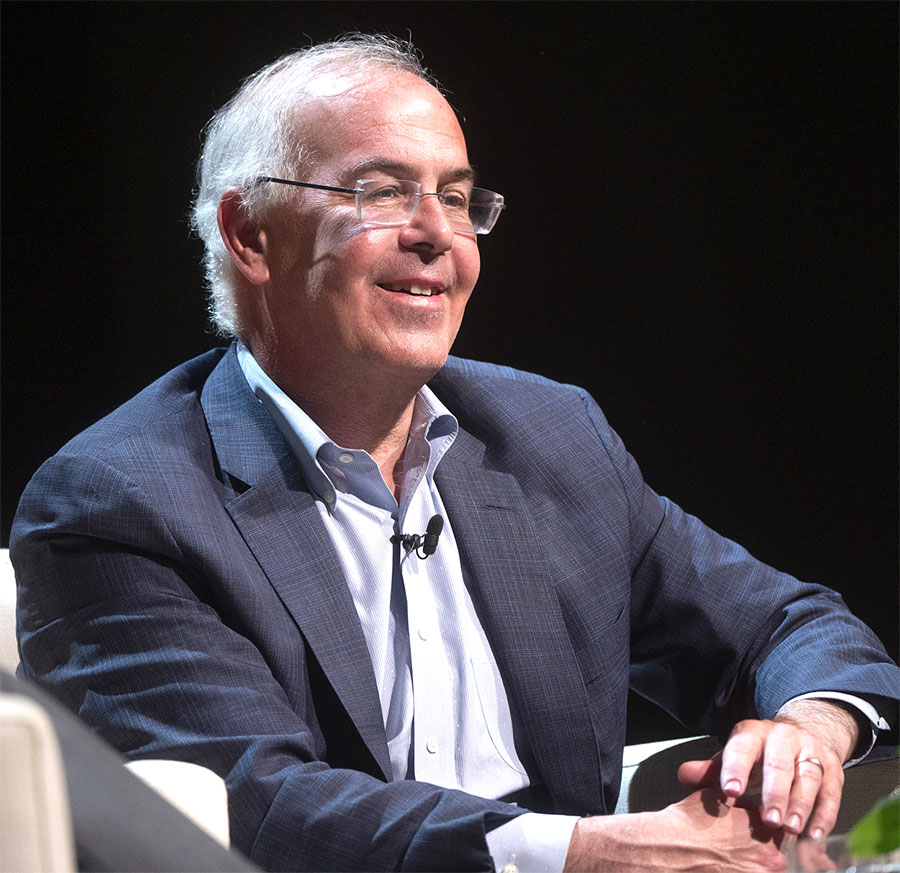 #1- Still annoyed about our current era of intense politization and social upheaval- nearly ready to throw in the towel, I remembered a recent podcast by a favorite columnist of mine, David Brooks. Once a New York Times reporter, David is now a Presidential Senior Fellow at Yale and a staff writer for the Atlantic where he also moderates his podcast titled: “Permanent Questions.” He interviews philosophers, scientists, historians, and scholars in an attempt to explore enduring human interests that never go away; “What makes us human?”, “How do we find purpose?”, “Do we have souls,” “How can a broken community be repaired?” and more. Essentially, unresolvable inquiries about human nature and ethics. Yet we keep trying because we must.
In one episode, David mentions a book written in 1981 by Samuel P. Huntington, a political scientist. Titled- “American Politics: The Promise of Disharmony.” Brooks frequently references Huntington’s theory that American history does not move in a smooth, linear fashion, but rather experiences “moral convulsions” roughly every 60 years (such as the 1770s, 1830s, 1890s, 1960s, and the current era), where public distrust spikes and a passionate generation arrive wanting to tear down established power. Those pushing the bounds of acceptable behavior be they political or cultural in much the same way our current batch of elected or appointed scoundrels seems to have perfected. The million-dollar question begs: Do our institutions need repair—or replacement? David Brooks and his guest Ross Douthat (an American conservative columnist and author who is a correspondent for the CBS News program 60 Minutes.) debate whether our moment calls for rebuilding existing institutions or re-founding them altogether.
Although our polarized world and the chaos perpetuated by it can feel overwhelming, even hopeless, it is comforting to realize our times are not unprecedented nor permanent. History reminds us that periods of deep division often precede our greatest breakthroughs. That’s the spirit. And if Dr. Huntington is correct, we are on the cusp of another “moral convulsion.” When we reject the self-serving, unscrupulous corruption of many of the world’s leaders, industrialists and false prophets. END OF MEMORY #1
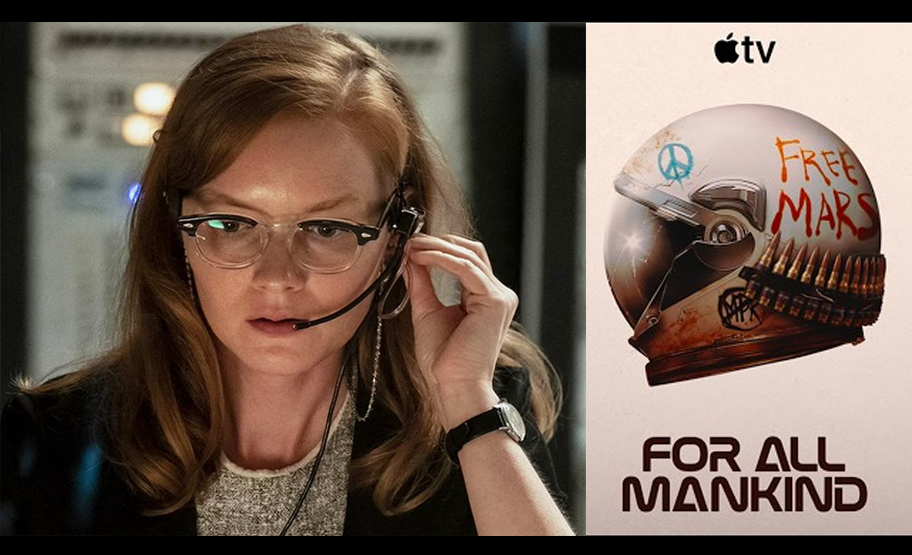 BEGIN MEMORY #2- I had been watching an Apple TV Series titled For All Mankind. The show explores an alternate history where the Russians beat us to the moon and the global space race never ends. It’s a bit slow yet compelling as evidenced by the fact I watched all 50 episodes (4 seasons) often while stretching or exercising. Anyway, in the very last episode of the series, Margo, once a senior NASA engineer now serving time for treason (don’t judge, she had good reasons), made the following statement:
“The truth is the world is not as simple as we want it to be. It can’t be boiled down to an equation. Especially, when it comes to human beings. We are flawed, unpredictable, and full of contradictions. It took me most of my life to realize that is exactly these flaws that make us so resilient. That gives credence to the improbable ideas that anything is possible, even in the darkest of times.” Our times many would claim.
Ta da! Margo’s hopeful wisdom along with Huntington’s more or less guarantee that disharmony among the masses is not only survivable but regenerative will lead us to better times. At least for a while. The cycle continues. The beat goes on. But the question still remains: Do our institutions need repair—or replacement? Before we decide, let’s pause for an election update.
 The mid-terms are over. Winners declared in all but a few races. The last of the ballots that determined Alaska’s new Senator, Mary Peltola, were delivered by dog sled from somewhere in the Arctic Circle. Yes, it was a big win for Democrats. They will control both the House and the Senate for the next two years. The people have spoken. What they have actually said is probably more nuanced than what is being claimed across the wide media spectrum. To be sure, voters were unhappy with the Trump administration for a variety of reasons. You already know what those are. Their displeasure does not necessarily translate into unflinching support for the Democrat Party and whatever agenda they will pursue. I suspect it will be centered around revenge. I feel that would be a mistake.
Don’t get me wrong, I want to investigate the behavior of every individual in the current administration that have appeared to violate their oath of office or have committed crimes. I still want to see Trump tried for January 6th, for goodness’s sake. However, this can wait until 2028. We’ll get’em then. The next Congress will have their hands full dealing with the nonsense thrown at them by Stephen Miller and the rest of the hoard. This would also be a good time to take stock of the damage already done. Determine how to reverse course and send signals to now reeling allies that better times will return. Essentially, outlast MAGA.
Then again…perhaps it would be prudent to rid the administration of the worst of the worst. Maybe start tracking the money flow that seems to have outpaced el-nino. You know, so when the time comes we know where it all is.
All of us have our own ideas related to governmental reform. Me included. If you’ve read my blogs, you know where I stand on Congress, the Presidency and their many shortcomings.
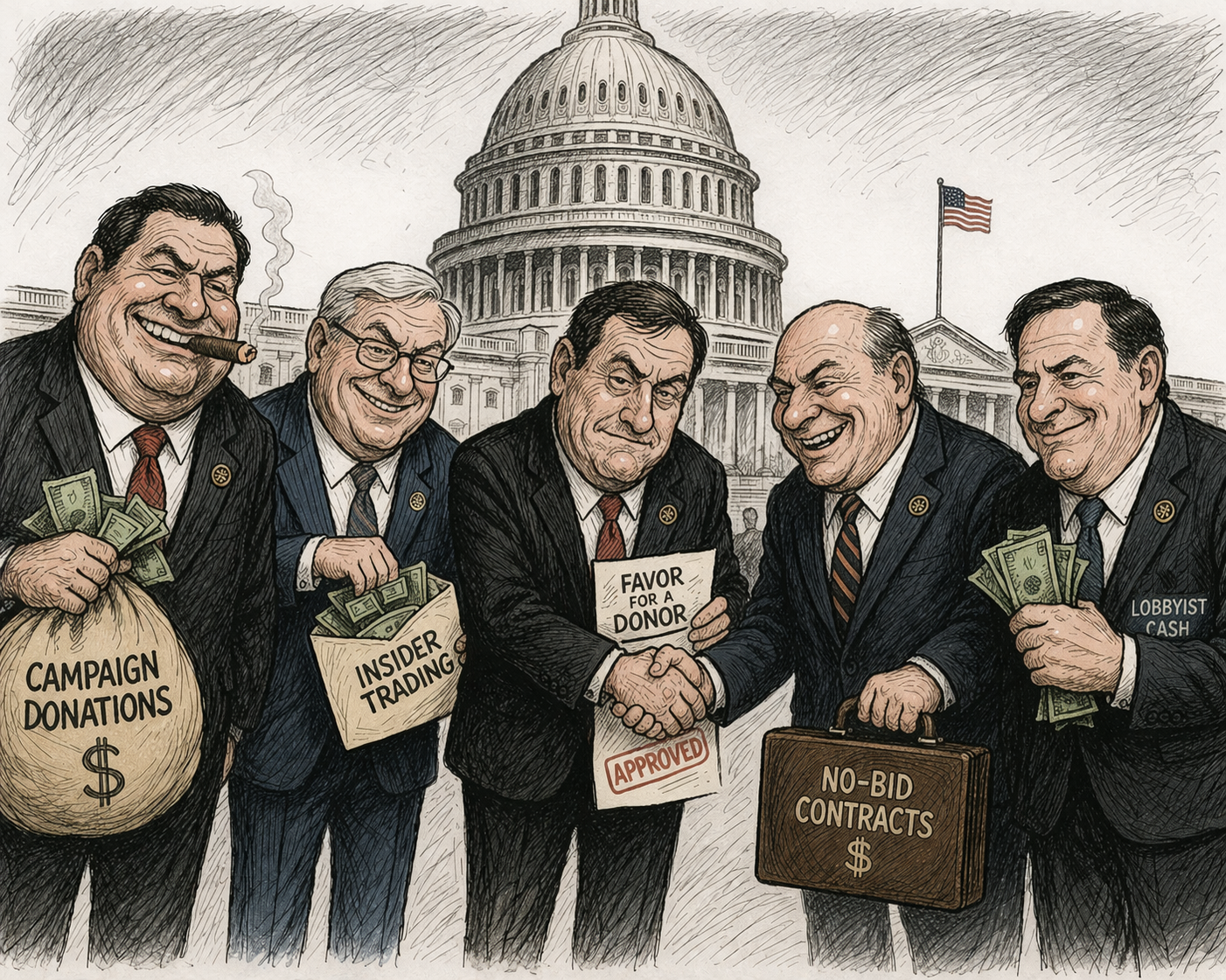
90% of mid-term voters claimed corruption was a major factor guiding their vote. Most Americans already have a low opinion of our elected officials. Congress has about a 10% approval rating and only 20% of us trust the Federal Government to “do the right thing.” In part because over 70% believe half the government is corrupt. Yet, most of us love our country even if it seriously flawed.
For decades, various factions have attempted to bring about changes to our system of governance. Meaningful improvements that would create a more just, fair and balanced life for all our citizens.
Things like:
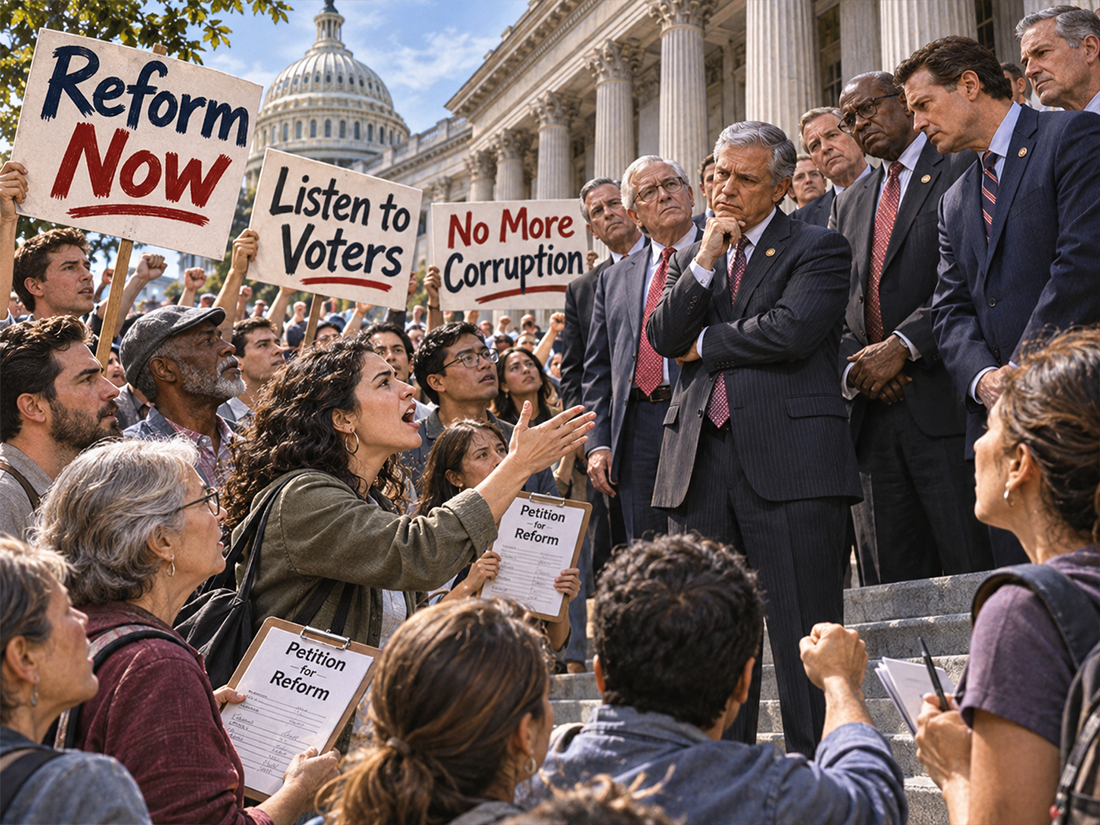
And on and on. Neither Party has been able to address these issues in any significant way. Let alone make changes. Mostly because it is not in their best interests. I mean Congress. It reduces their power, influence and diminishes their bank accounts. Still, citizens are in an uproar expecting our elected officials will do the right thing. Make the necessary changes.
Both parties rely on big money, corporate or otherwise, to finance their campaigns. PACs. Super PACs. Lobbyists.The very people they are supposed to regulate. The public financing of political campaigns is one of the solutions offered every now and then. There are others, but I won’t get into them here.
I am not hopeful that this or any future “changing of the guard” will bring about the reforms Americans have been demanding for quite some time. At the end of the day, any substantive, meaningful changes must emanate from Congress. And Congress is broken. Not only have they gradually relinquished their powers and responsibilities to the Executive branch. But their long-term priorities seem to lie with Lobbyists and their gradual transition into that profession once they leave office. Congress will never pass the legislation required to address the concerns of the American people partially listed above.
Okay back to the question at hand- Do our institutions need repair—or replacement? Let’s try repair. It sounds less ominous. Besides, at the end of the day our Democratic System of Government despite its persistent polarization, chaotic infighting, and lapses in civility, is mankind’s best hope for the future. A shining city on a hill (corny but true) devoted to the betterment of freedom, democracy, equality, and justice. It’s a process that has undergone 250 years of experimentation. Let’s build on that.
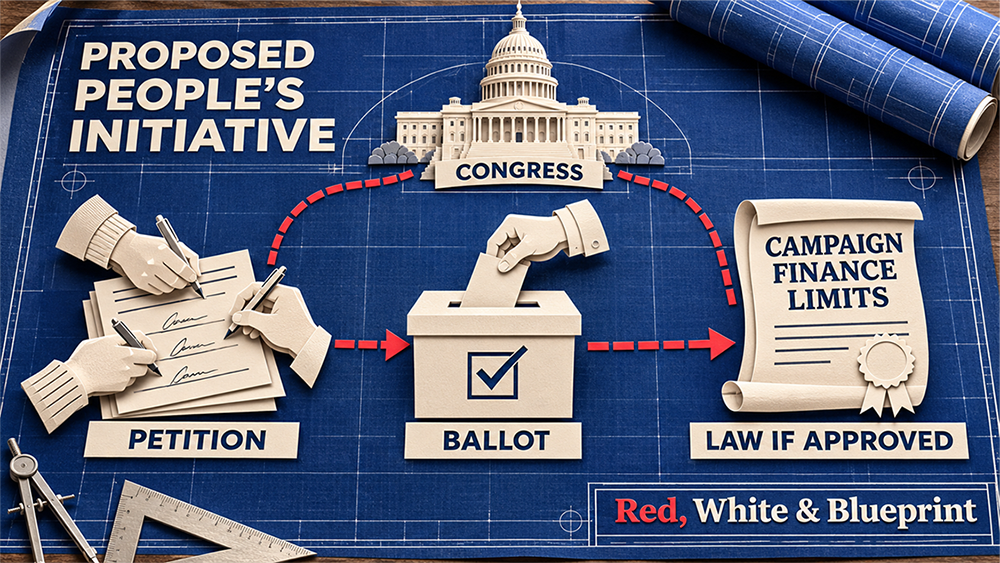
How? What is the best way to reform the Legislative Branch, strengthen its position as a co-equal branch of government while empowering the ultimate source of our nation’s legitimacy-we the people. I believe the best path forward is also the most difficult. Establishing a Citizen’s Direct Initiative Process. It is a powerful form of direct democracy, already practiced in twenty-four states, using several different formats. California’s perhaps being the best known. Although referred to by several descriptive titles, I will call it- The Citizens Direct Initiative or CDI. In a nutshell it enables voters to bypass their state legislature by proposing new laws, constitutional amendments or repeal existing legislation, and by placing measures directly on a public ballot.
Easy peasy.
Step 1- Draft and submit a formal proposal.
Step 2- Collect required signatures.
Step 3- Place proposal on ballot once reviewed by an independent legal team.
Step 4- Citizen’s vote. Yes= it becomes law. N0=No. You lose. Majority wins in most cases. We may decide to enact a higher threshold for Constitutional amendments, say 2/3’s.
If this is such a good idea, then why wasn’t a CDI built into our Constitution from the get-go?” Because our founding fathers we’re concerned with protecting minority interests from temporary popular majorities. Also balancing the interests of large and small states. Not to mention preventing sudden swings in public opinion from producing unstable legislation. Instead, they deliberately constructed a system of representative government rather than nationwide direct lawmaking. However, times change. The people have waited long enough to control more of their own destiny.
 Oh, did I mention creating the CDI would itself require amending our Constitution. I know what you’re thinking. Good luck with that. Besides the 1992 passage of the 27th amendment regulating congressional pay, the last successful attempt to amend the Constitution was in 1971 lowering the voting age from 21 to 18. The times were ripe for such a move. It was during the Viet Nam War a familiar refrain carried the day- “If I’m old enough to fight (and die) for my country, then I’m old enough to vote.” How could they do otherwise?
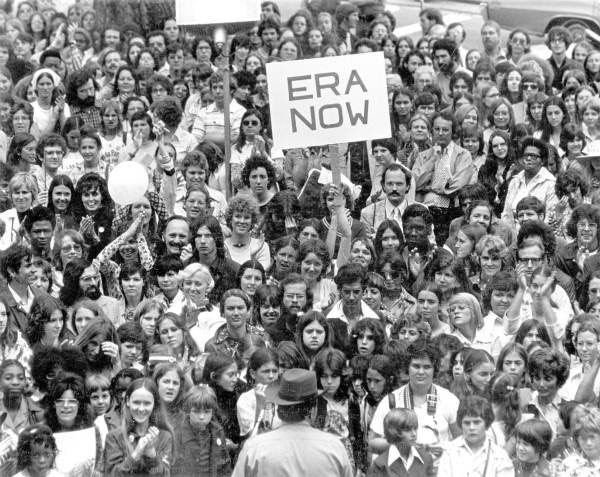
I know, I know I haven’t forgotten the ERA (Equal Rights Amendment) proposed in 1972. It was designed to guarantee equal legal rights for all American citizens regardless of sex. It failed to receive approval in the required 38 states within the allotted 7 time period ending in 1979. The time limit was extended to 1982 but only 35 states had signed on. Virginia became the 38th state to ratify the ERA in 2020. You heard me correctly-2020. By then multiple law suits were contesting the validity of the extensions while 5 states attempted to rescind their earlier approval. My God. If we can’t agree that men and women should have equal rights, how are we ever going to agree on anything? Getting cold feet? Want to keep trying to get Congress to change their evil ways, on their own? Keep in mind even petitions with tens of millions of signatures cannot compel Congress to do what’s right…reform itself.
No doubt this will be tough even if we are not the first to try. In 1977 two Senators (James Abourezk (SD) and Mark Hatfield (OR).) proposed establishing a National Initiative Process. If they had succeeded, we wouldn’t be here now. Worrying about the hard road ahead.
Wait. There is another way. Article V of the Constitution creates a second path toward proposing a Constitutional Amendment. State Legislatures may apply for a convention to propose amendments. It would take 34 states to sign on and still require 38 of our 50 states to ratify any amendment. This route seems like it would be way more difficult. Too many people involved. The number of State Legislators numbers in the 1000’s. 7386 to be exact. But it’s nice to have an alternative.
Congressional Reform- My Take
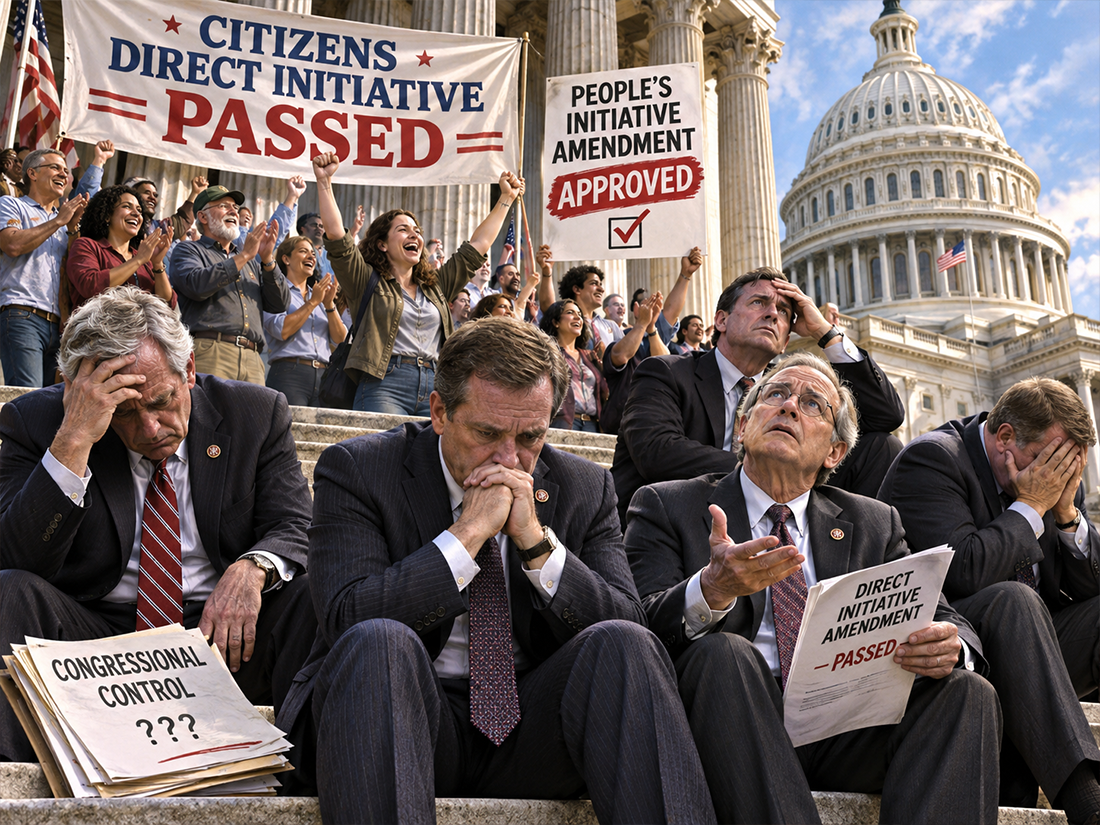
It’s hard to envision any scenario under which Congress reforms itself to any significant degree. Certainly not to the level expected by most Americans. Forcing the issue is our only option. So, we’re back to convincing Congress to get the ball rolling on a constitutional amendment, allowing the creation of a Citizen’s Direct Initiative (CDI) process.
 How?
This is the tricky part. Essentially, there needs to be widespread support from the bottom up, a ground swell of citizens eager to not only support the CDI, but to labor for its creation. Ideally a bipartisan effort, but it could begin with only one of the parties committing to the idea. Eventually becoming part of the party’s platform. Hopefully, its main agenda. One way to get Congress to see the light would be to make it “unthinkable” to not support the CDI amendment. Let me draw on one of my favorite analogies- Smoking. Forgive me if I repeat myself. Growing up in the 1950’s and 60’s, a large percentage of Americans smoked. Nearly half. But it seemed like everyone because the other half were subjected to their secondhand smoke. Smoking was permitted almost everywhere, including offices, restaurants, airplanes, hospitals, schools, theaters, and public transit. Ashtrays were practically built into church pews. Gradually over time society’s attitudes changed and a clampdown on smoking began. Today it would be “unthinkable” to light up nearly anywhere. Let’s do that with the CDI. Unsupportive congressman (“unthinkable”) would be the equivalent of a Cold War era communist or a John Bircher. Pick your antagonist.
As the number of committed congressmen grows, the pressure to pledge their support increases. Becoming nearly contagious. A prerequisite for a party’s endorsement. Changing their support after an election would be grounds for a recall. I hope.
Personally, given my skepticism of both parties, is that a third party emerges. One with moral credibility, and is finally able to embed itself into our political system on a permanent basis. CDI, of course, being its main priority and claim to fame.
Outside Support
It would be nice, perhaps essential, to have the support of a community-based organization with the funding, talent, and experience to spearhead the whole thing. In every state and at the national level. They could write the initiative, collect the signatures, and coerce lobby Congress for their votes.
Have no illusions. The road to success for CDI will be long and difficult. Most likely playing out over a decade or two. If successful, it could reduce the need for those “moral convulsions” mentioned earlier, while diluting the circumstances required to produce them in the first place. One can hope.
Take Care,
TJ
P.S Once CDI is the law of the land, we can then launch the next important amendment. Mandating that 50% of Congress be made up of women. That would be the starting point, not the ceiling. The states will hopefully follow suit. A good way to make up for the failure of the ERA (28th Amendment). Better yet let’s get the 50% Mandate Amendment going first. We’ll probably stand a better chance at passing CDI with more women on board.