

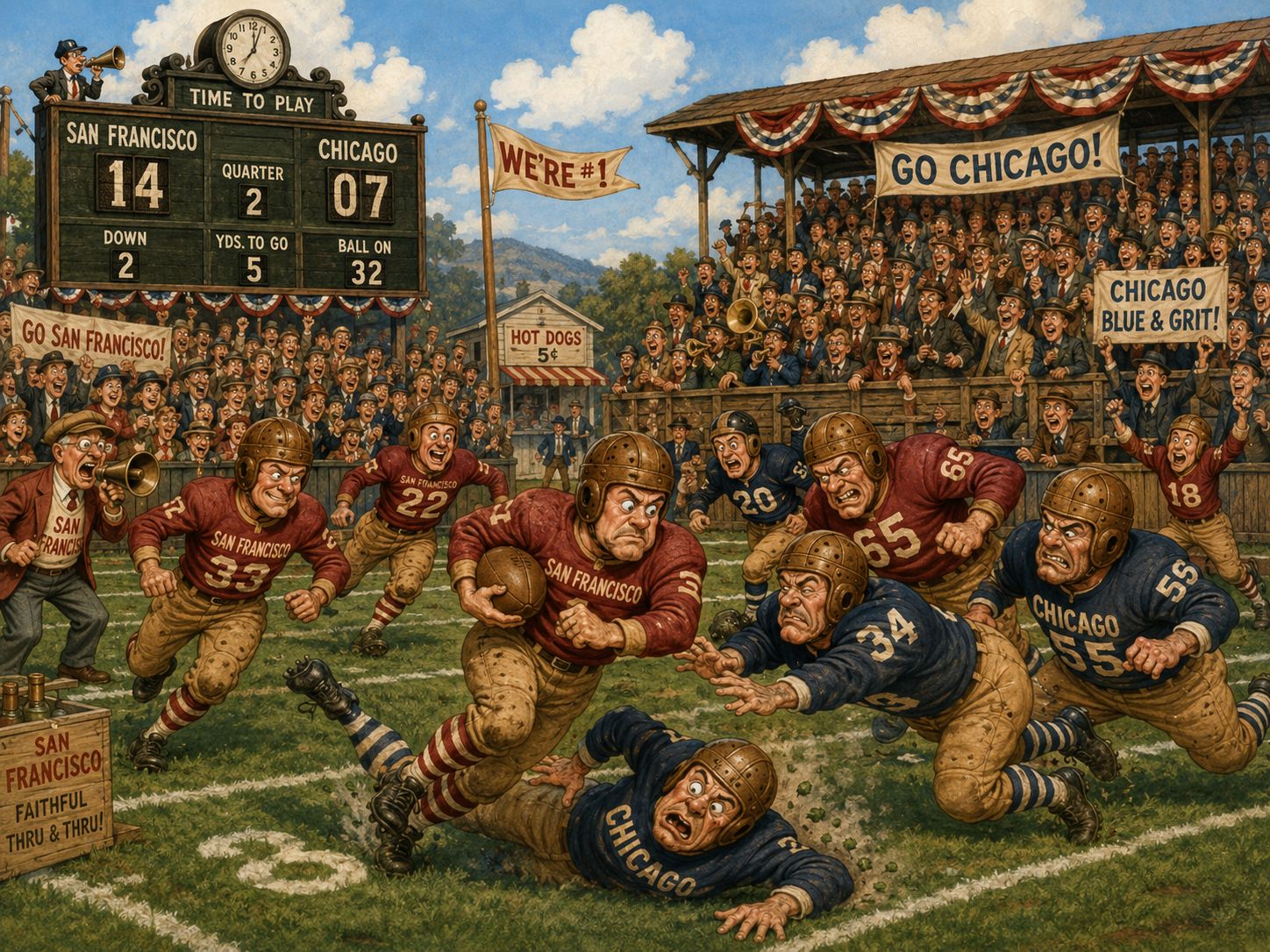
I grew up playing sandlot…everything. We could create a game or sport from scratch. Limited only by our imaginations. However, I usually opted for traditional activities like baseball and football. But also enjoyed pseudo sports like dodgeball or prisoner’s base. We made up the rules as we went and adjusted them when necessary. Mostly in the interest of fairness. Kids intuitively know what’s fair and when someone is cheating. The only parental involvement I remember, well, I don’t remember any. Unless you count mothers like Mrs. Balbick or Mrs. Fabio who lived next door to two of the fields we frequented, calling their boys home for lunch. The only organized sport I played was high school football my sophomore and senior years at Notre Dame High. Oh yeah, and Bruce McIver’s “Over the Hill Gang” Soccer League I mentioned a few weeks ago.
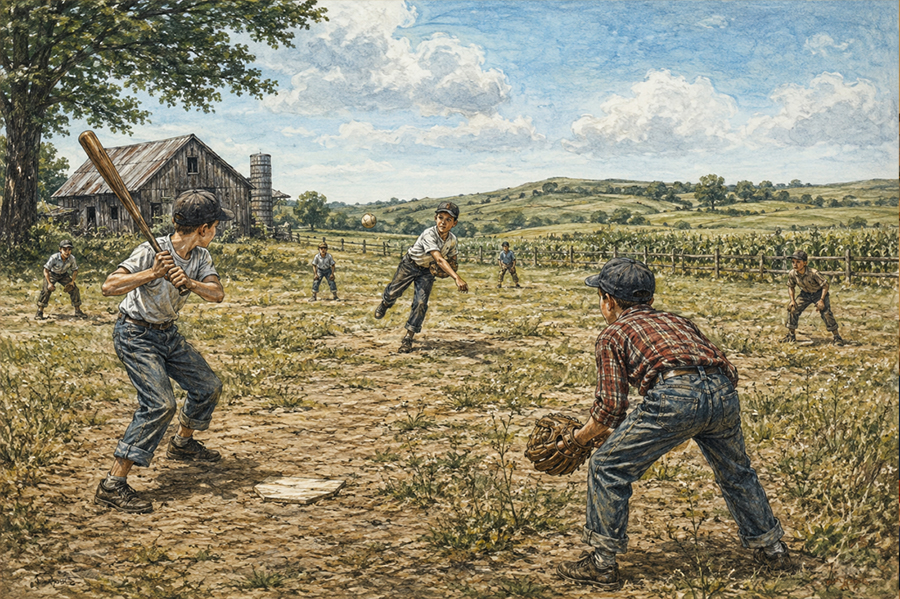 Chances are you too followed a similar path. Perhaps more active in high school or college sports than me. Maybe played Little League baseball or pickup basketball in the park. Learned to swim through the Y. Were part of a bowling team or league like my sister Tina and my best friend Dan. Whatever. Sports were an important part of our lives.
Like so many other kids, I collected baseball cards, but never came close to matching Dominic Cavalieris’. He also had the largest comic book collection I had ever come across in my then 10 years or so of experience.
While we were out and about having fun, (right up until the street lights came on), powerful forces were re-shaping America’s landscape. The 1960s through the early 1980s were years of enormous social change. Massive geopolitical shifts, cultural revolutions including the Civil Rights movement, Viet Nam, Watergate and the Space Race to name a few. In the midst of all that change, wonder and chaos, we also witnessed a major transformation within the sporting world. Professional Sports along with Sports Broadcasting both entered into somewhat of a Golden Era. They always had a symbiotic relationship; neither could exist without the other. So, it was probably no coincidence that professional sports leagues expansions coincided with the rise of Sports Broadcasting:
-NFL: expanded from 12 teams in 1959 to 28 by 1976.
-MLB: expanded from 16 teams in 1960 to 26 by 1977.
-NBA: grew from 8 teams in the late 1950s to 22 by 1980.
By the early 1960s, nearly every American household owned a TV. Instead of 20,000–50,000 people seeing a game in person, millions could watch them all at once. That transformed sports from local entertainment into a shared national experience.
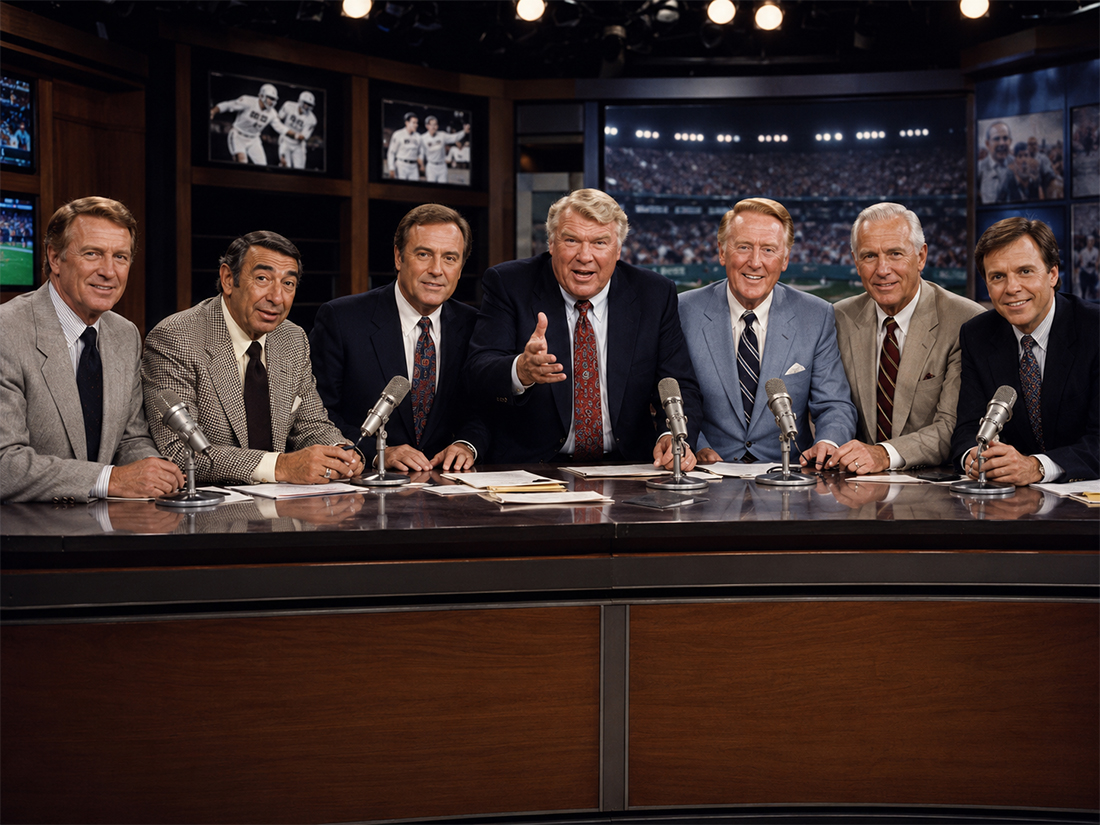 Remember ABC’s Wild World of Sports with Jim McKay, then Frank Gifford, and Howard (one of a kind) Cosell, followed by Al Michaels? The “thrill of victory and the agony of defeat”. If you followed the NFL or Major League Baseball as a kid, you heard the voice of Kurt Gowdy and Dick Enberg on NBC sports. Then of course there was CBS and John Madden with Pat Summerall. I would be remiss not to mention Vin Scully, the voice of the Brooklyn/Los Angeles Dodgers for 67 years. 1950-2016. Unbelievable.
Television created superstars. Before TV, most sports fans knew only their local players. TV turned athletes like Muhammad Ali, Joe Namath, and Arnold Palmer into household names.
Growing up in New York State, the Yankees were everybody’s team, weren’t they? Mickey Mantle, Yogi Barra, and Roger Maris, to name a few. Not a fan? Then you had plenty of other memorable sports teams and players from which to choose: The San Francisco Giants with Willy Mays and Juan Marichal, The Oakland A’s and Reggie Jackson, Catfish Hunter and Rollie Fingers. The Cincinnati Reds with Pete Rose and Johnny Bench.
Basketball players like Bill Russell, Wilt De Stilt Chamberlain, Dr J, Kareem Abdul Jabbar, Magic Johnson, and Larry Bird, changed the way the game was played while adding a level of celebrity to the equation.
Tennis anyone? Any of these names ring a bell: Rod Laver, Arthur Ashe, Bjorn Borg, Jimmy Conners, John McEnroe, Billy Jean King, Chris Evert and Martina Navratolova.
My favorite pro-football players included Jim Brown, Johnny Unitas, Bart Starr, Paul Horning, and Roman Gabriel. Gabriel quarterbacked the *Los Angeles Rams (1962-72) and in some way, reinforced my love for California.
* My father-in-law and I were once part of a golfing 4 some in the early 1980’s at Sandpiper in Santa Barbara, California. We were teamed up with Vince Ferragamo, the Rams quarterback, from 1977-1984, and his buddy. They were both huge and exuded athleticism, despite Vince’s hitting one of his shots into a tree, forcing the rest of us to take cover. No time to yell…. fore!
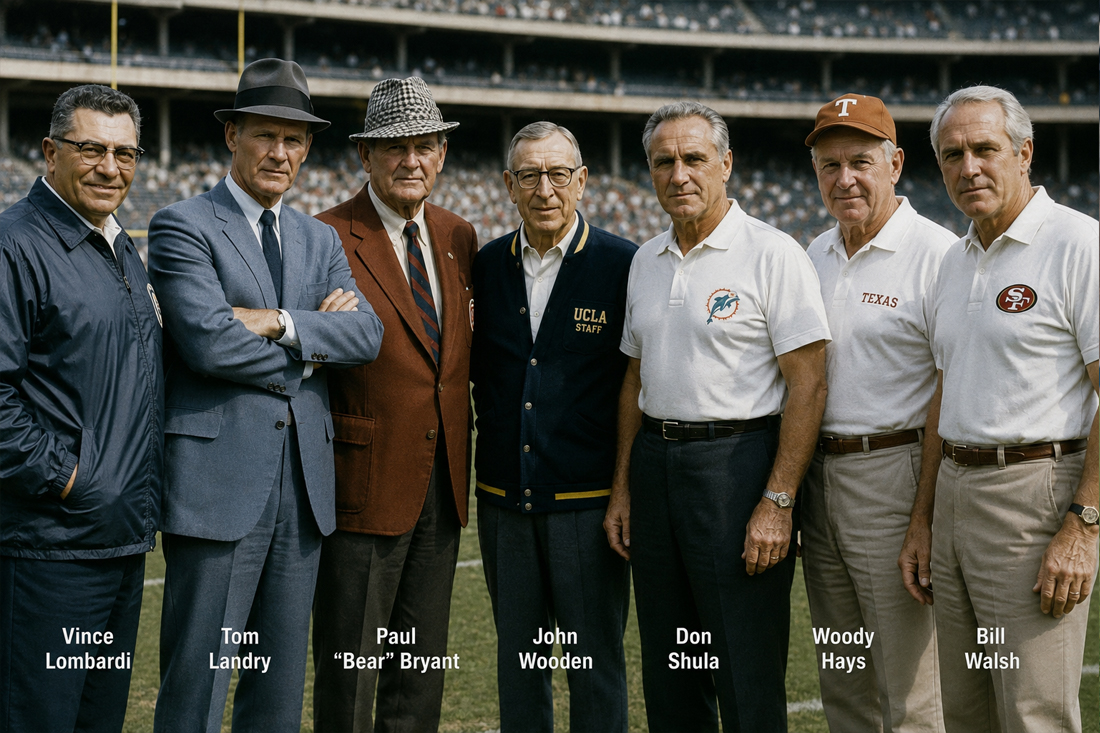 Ah, and the coaches. Vince Lombardi, Tom Landry, Paul Bear Bryant, John Wooden, Woody Hayes, Don Schula, Bill Walsh, Bobby Knight.
College football was something I always liked, but my passion for it accelerated once I decided pro football was, well, a bit much and all about the money. Traditional school rivalries were always a big deal to me, even if I didn’t regularly follow any of those teams. Michigan versus Ohio State, Alabama versus Auburn, Nebraska versus Oklahoma, Army versus Navy, Harvard versus Yale. And of course, Notre Dame versus anyone. You name it. Michigan State, USC, Navy, Stanford. I went to as many as I could and am still waiting to attend an ND home game in South Bend.
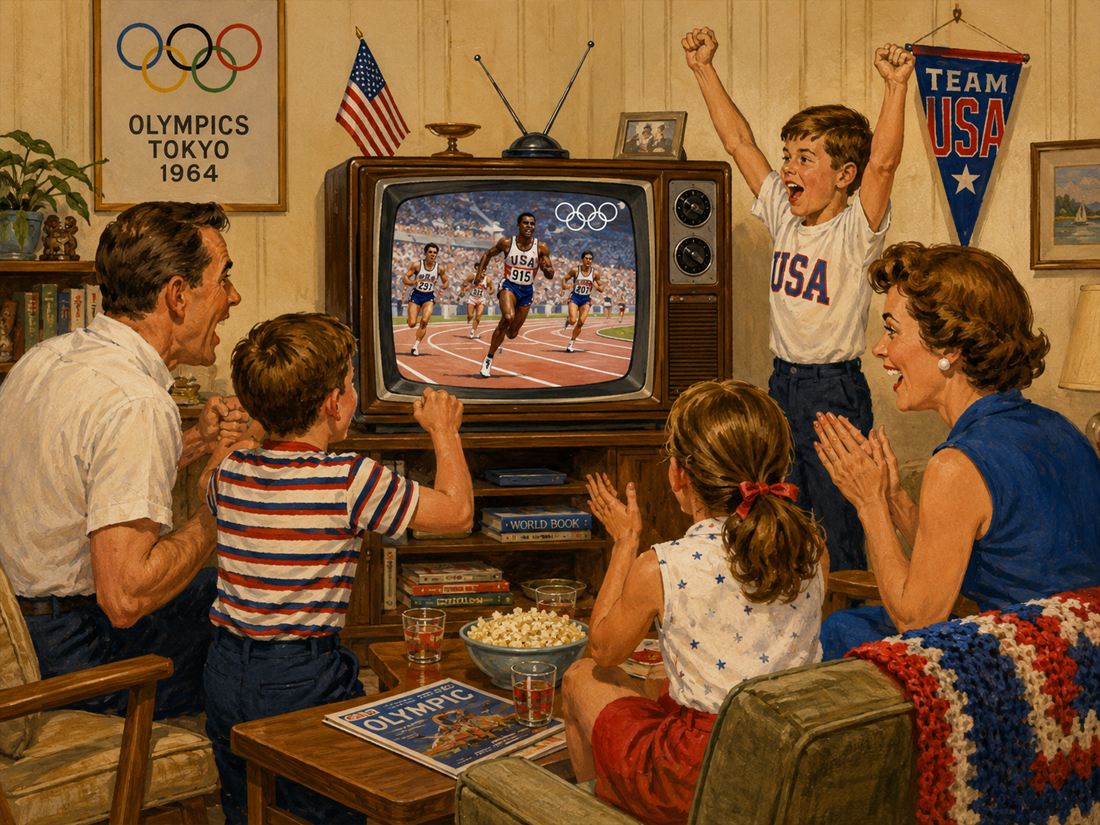 The Olympics for me were the pinnacle of international athleticism, representing the very best of human endeavors, the entire world coming together every four years, showcasing each nation’s amateur athletes across a variety of disciplines, putting aside any grievances or animosity in the spirit of amateur competition. Until the Russians screwed it up by using state sponsored professionals. The rest of the world gradually followed suit. I’ve always thought our boycotting the 1980 Moscow Olympics over the Russian invasion of Afghanistan was a mistake. They responded in kind 4 years later by refusing to attend the LA Games. I trick myself every Olympics into believing all the athletes are still amateurs playing for the love of their country, their sport and, of course, bragging rights. It really adds to my enjoyment. Call me a purist. Give it a try.
For better and for worse, television changed sports. Bringing us: the instant replay, better camera angles, slow motion and microphones on the field. Watching at home became a terrific experience. Sports were one of the few things everyone watched and they did so in 1970 through only 3 major networks: ABC, CBS and NBC. Regardless, this new sporting juggernaut was building a sense of community through the social and emotional trappings of sports.
Every now and then a blockbuster of a movie would come along and capture the best of what sports has to offer. Reinforcing the magical bond between players and spectators through inspirational displays of skill and teamwork, often resulting in an unlikely victory of the underdog. Films like Miracle on Ice, The Natural, Raging Bull, the Longest Yard, Field of Dreams, and, of course, Rocky, Bull Durham and Chariots of Fire. All of them designed to make us feel good, proud and hopeful. In part because most of us already had some type of relationship with sports.
Role Models and Heroes
For the most part, I believed athletes were honest, fair, straight shooters that held themselves to higher standards. Behaving honorably even when no one was watching. I bought into it because it felt right. Good. Many were role models for millions of kids across the country. Mostly because that was the image created by the sports teams, the media and the players themselves when the cameras were rolling. What can I say, I was a naïve kid. I was not alone. Many from my generation looked up to their favorite athletes as heroes. But, unlike make believe heroes like Superman and The Lone Ranger, real life heroes will often let you down. Afterall, they are mere mortals and, like the rest of us, flawed.
Oops. I almost forgot the second part of television changing sports…for the worse. Actually, you know what I am not going to attach my value system to the evolution of the sports industry or point the finger at anyone. You be the judge.
The transformation of sports- From High Ideals to the sewer
Sports changed and did so dramatically between 1960’s and today. The biggest difference is that organized sports have shifted from being primarily community-centered to being much more specialized, professionalized, and commercialized. That’s true from youth leagues all the way to the professional level.
When I was growing up, most kids played multiple sports for fun and comraderie. Mostly without adult supervision. Seasons were short and the coaching was “modest” at best or non-existent. We kept score, of course but other statistics were of little importance. Parents volunteered as coaches and equipment was minimal.
Today, playing youth sports is increasingly focused on competition and advancement. Early specialization is the norm and year-round training and travel are common. Private lessons, strength training, video analysis and performance tracking are increasingly common. These tools will get your kids to where you want them to be…faster. Earning you the privilege of shelling out tens of thousands of dollars a year, hoping for a slot in the majors. After college of course, because now their kid can make millions while getting a college degree.
High School sports were once the highest level most athletes achieved. Friday night football being a major community event. Today, many top athletes also play on club teams that have become more important for college recruiting than their school teams. Local leagues have given way to regional and even national travel teams. School teams have specialized coaches, trainers, nutritionists, and often psychologists. Yes, it hurts to lose. News Bulletin: Your kid is not going to the pros.
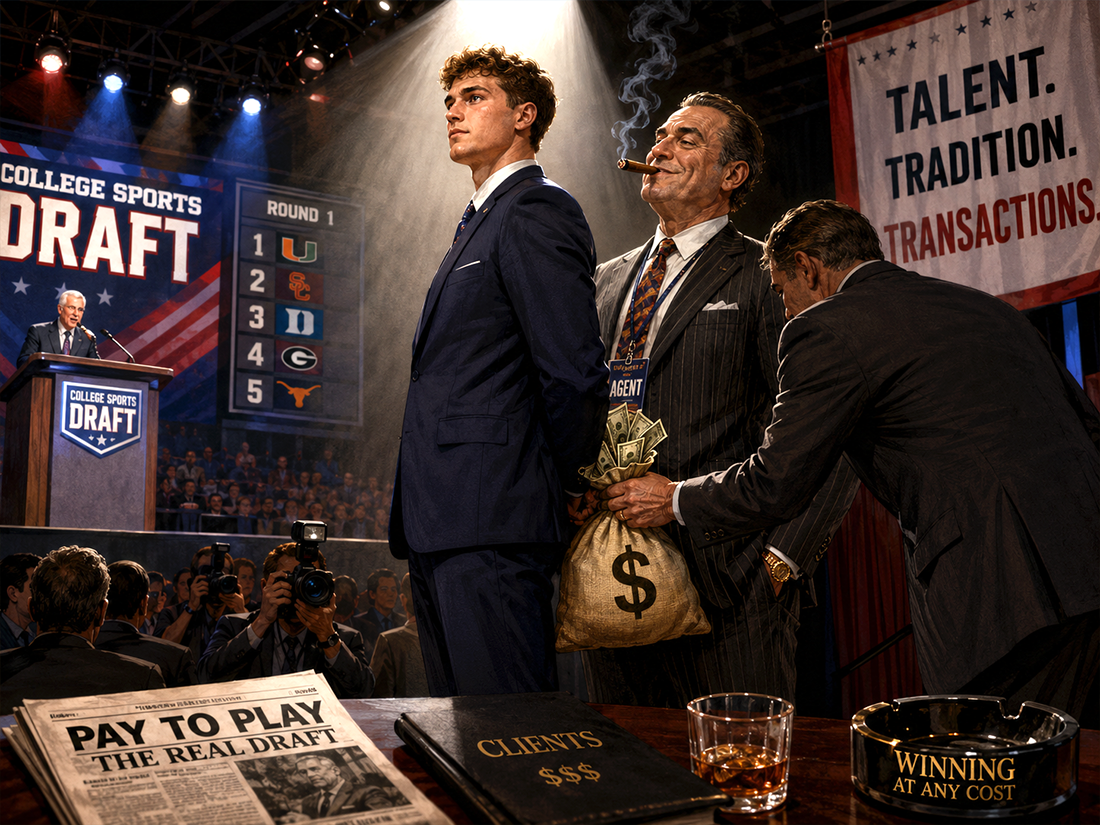 College sports have gone to hell in a handbasket and will never be the same as far as I’m concerned. Totally ruined. Emboldened by the Courts, the indifference of the public and the greed of those running the show have turned College athletes into hired guns. Playing for the highest bidder. What about school loyalty? Rah, Rah, Sis, Boom, Ba. Boula, Boula. Cheer, Cheer for Ol’ Notre Dame. You bring the whiskey; I’ll bring the dames. Hold it, stop. That’s the version we sang on the bus to away games in the 60’s. Not the actual ND fight song written by John Phillip Sousa in 1898. You know this. Right? Even the Beach Boys knew that you should “be true to your school guys, like you would to your Girl, Guys”.
Not so long ago, the NCAA ruled college sports with a bit of an iron fist. Perhaps in a self-interested sort of way. But still sort of protecting everyone from what has now developed. Sort after college athletes were given scholarships in exchange for their services. Amateurism was strictly enforced. Taking money was a no-no. Coaches earned respectable—but not extraordinary—salaries. Today, thanks to a series of court rulings, most notably NIL (Name, Image and Likeness) athletes are paid for their efforts. The average college football player takes in $300,000 per year. The average basketball player-$350,000. The lowly baseball player a measly $47,000. Many earn millions of dollars, the top spot going to Arch Manning, Patton’s nephew who earned $6.8 million last season. College coaches benefited too, now earning millions annually. Meanwhile the student body is allocated only a small portion of seasons tickets. The bulk of seats now reserved for major donors, team boosters and corporate groups willing to pay for luxury boxes.
The Sports Portal, another brilliant invention, enables athletes to transfer schools practically as often as they would like. Why would they? Money. The average college athlete spends only 1-2 years at any given school. The 4 Horsemen of Notre Dame are rolling over in their graves. School spirit is now an illusion. Those guys down on the field may be wearing your school’s colors, but they do not share your loyalties or your spirit.
Professional sports
Even while acknowledging the excitement of professional sports, (here I’m talking football and the unbelievable levels of skill and athleticism), I have been turned off to the over-the-top spectacles presented across the board. From the fireworks and flybys to the childish celebrations after nearly every tackle, and the parade level jubilation following a touchdown. Vince Lombardy said it best- “When you get into the endzone, act like you’ve been there before”.
Cheating is a constant, every play occurrence, mostly holding followed by vehement denials. Sportsmanship, including humility, is a thing of the past. Many player contracts are ridiculously high- hundreds of millions of dollars. I could go on but will stop with gambling and now the Prediction Markets which for me calls into question the veracity of all professional sports. But what really chaps my fanny is the lack of commitment and any degree of loyalty players have to their teams and the communities in which they play. In the 60’s, many players spent most of their careers with but one team. Today all major league sports are part of a year-round player marketplace. Trading players as if they were cattle. As with college athletes, the average pro spends but a couple of years with any one team. As my wife Deborah discovered when attempting to “be a Bronco” when we moved to Colorado, learning the names of the players and bonding with some of the personalities is an exercise in futility.
The Loyalty League
So, what’s the cure for the condition of organized sports in America? Assuming you agree with my assessment. How do we recapture the magic? Return to an era when integrity, fair play and respect for local sporting communities was at the center of organized sports. Can we turn back the clock? Perhaps not, but I have hope. I have been fascinated with the concept of what I call the Loyalty League. Essentially, city-based sports leagues centered around any or all of the sports we play.
I am not proposing a better version of the NFL or any other professional sport for that matter. I’m suggesting adopting a different purpose for sports. Today’s professional sports are optimized to produce:
– the highest level of athletic performance,
– maximum entertainment,
– national and global television audiences,
– and enormous financial returns.
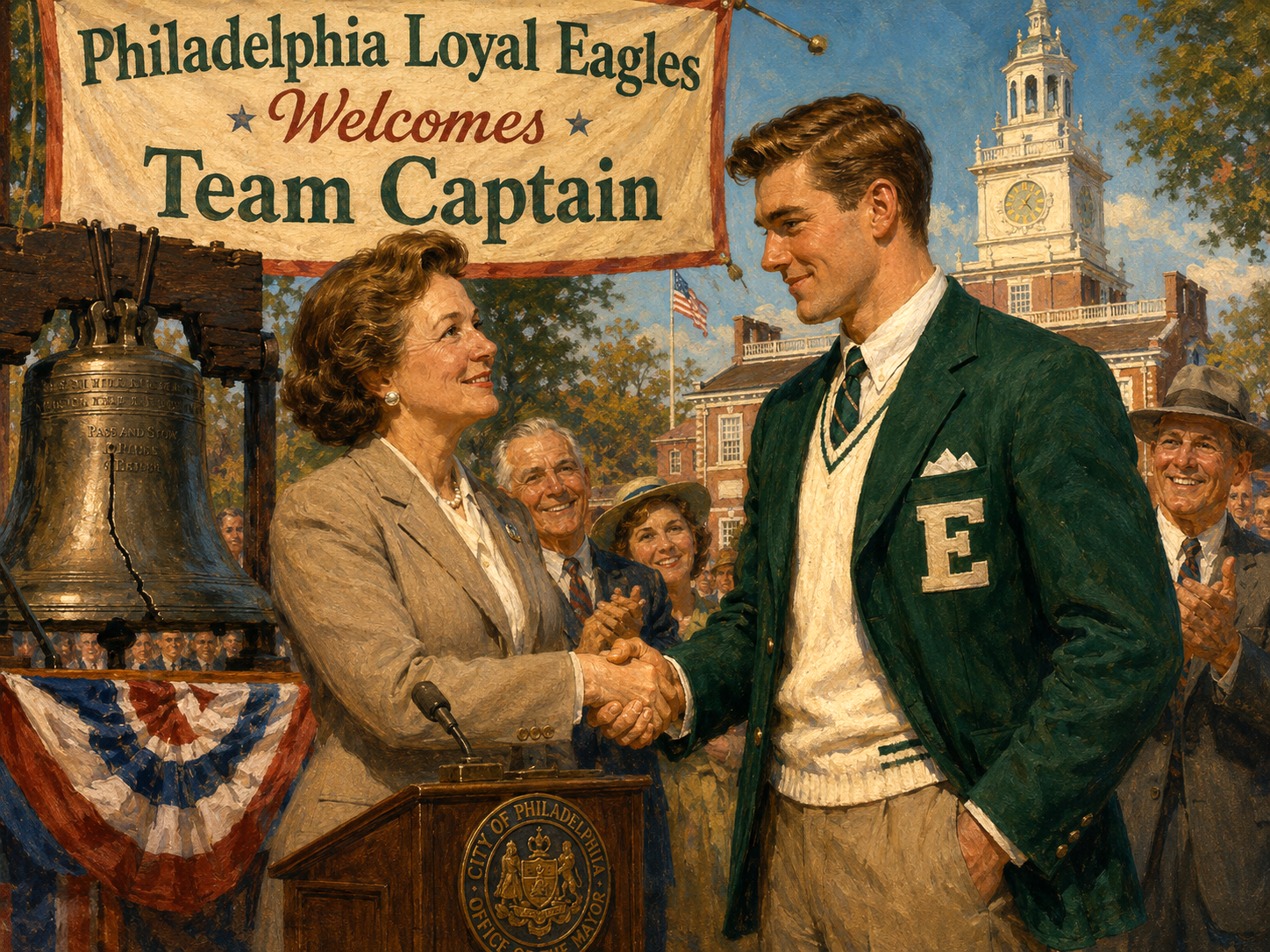 The “Loyalty League” would be optimized for: civic identity, continuity, community, and love of the game. To begin with, all players would be unpaid (or lightly paid) amateurs. They must be born and actively live within let’s say 50 miles of the city for which they wish to play. There’s no trading players or swapping teams. They would have other jobs or careers and would be playing for the love of the game. The players would know people in the stands because they grew up with them. Winning would matter—but representing your community would matter more. This resembles what many towns experienced decades ago with local baseball leagues, industrial leagues, and community football.
Loyalty matters. One reason many fans became attached to sports in the 1960s and 1970s was that players often became identified with one city. You didn’t just root for the uniform. You rooted for the people who became part of a city’s story. Both sides are emotionally invested. So, when San Francisco plays Chicago it means something. Certainly to the citizens in these cities but I believe many others around the country would be interested in watching as well.
A Loyalty League built around local players and strong city identity would keep far more sports money circulating in the community instead of sending it to national leagues, agents, and distant owners. The league would also benefit numerous local organizations. Everyone wins. Click on LOCAL BENEFITS for a list of the possibilities.
Another option is to make community organizations part of the financial structure, rather than merely asking businesses to sponsor a team. That is fundamentally different from modern professional sports. The objective would not merely be: How much revenue can the team generate? It would be: How much of the money generated by the team can remain in the community? That could become one of the Loyalty League’s defining principles. The league wouldn’t merely restore player loyalty, it could restore economic loyalty—players, fans, businesses, schools and civic organizations supporting one another. Click on COMMUNITY INVESTMENTS for a brief description.
Hello Again,
As if there wasn’t enough evidence that all sports, particularly “big sports”, are out of control. Far removed from the honorable intents at the time of their creation. Here are a few more reasons justifying the skepticism of many sports’ enthusiasts. Thanks to Jim Schaefer, a friend and fellow member of a Niwot discussion group. Jim wrote:
Hi Paul,
I enjoyed your review of how television changed sports forever, the lack of loyalty of owners and players, the astounding increase in money for players and coaches (in at least 40 states the top-paid state official, by a huge margin, is a coach), the crazy valuations of major sports teams and the abundance of cheating (including when I’ve heard announcers praise players who cheated on a play and got away with it!).
What you might have also mentioned is how the spectacularly wealthy team owners demand new, glamorous facilities funded by huge taxpayer subsidies.
Jim
Thanks Jim…so I dug a little deeper.
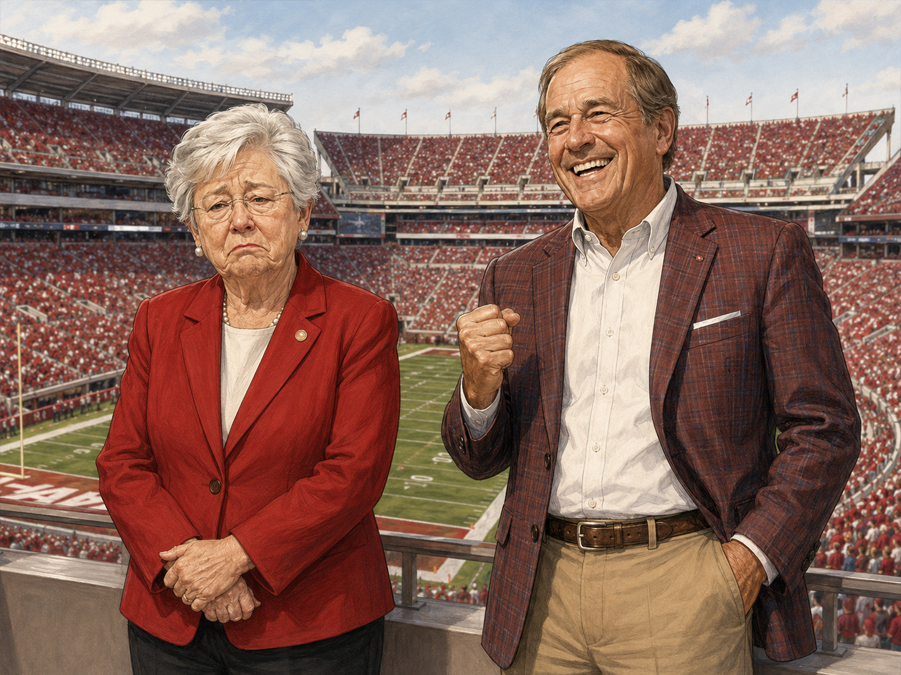
In at least 40 states, the highest-paid public employee is indeed a football or men’s basketball coach—often earning many times more than the governor, university president or senior officials responsible for education, public safety and health. For example, in Alabama, head football coach Nick Saban is paid $8.9 million per year. The Alabama governor Kay Ivey makes $120,400. Saban was making approximately 74 times the governor’s salary. Similar gaps exist in over 40 other states, those with major football and basketball programs.
In smaller states without large sports programs, the highest-paid employee may be a university president, medical specialist, pension executive or administrator earning hundreds of thousands rather than millions. Commercially dominant athletics dominates public higher education. Tax payers are of course footing the bill.
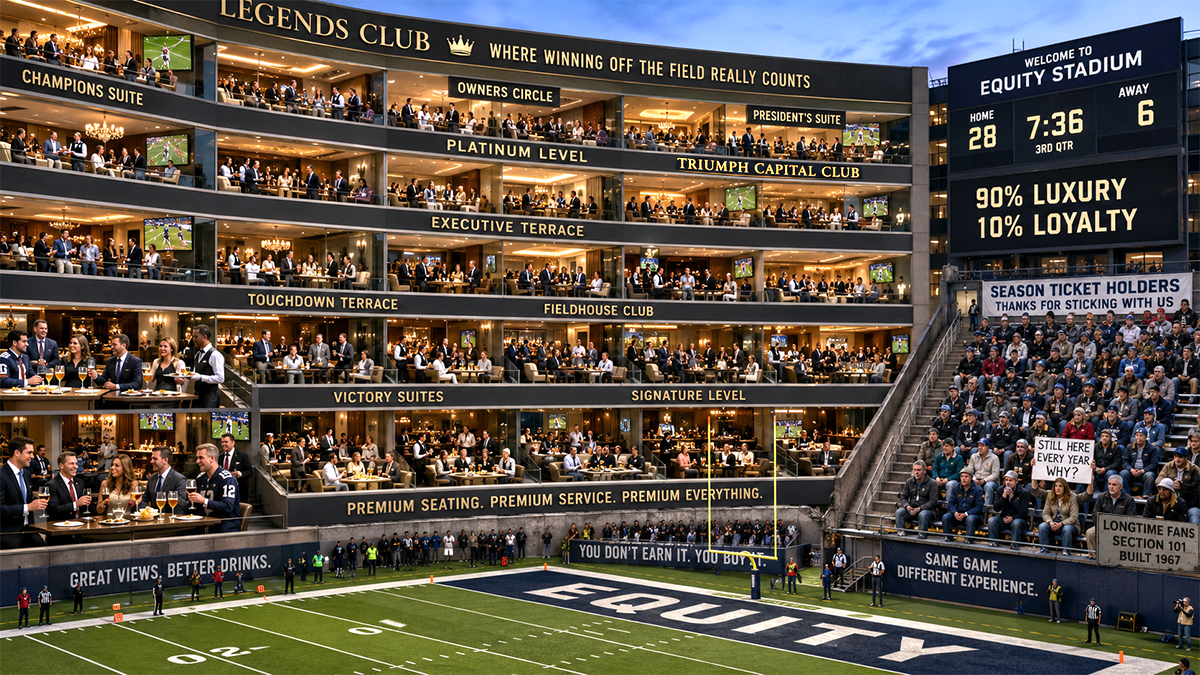
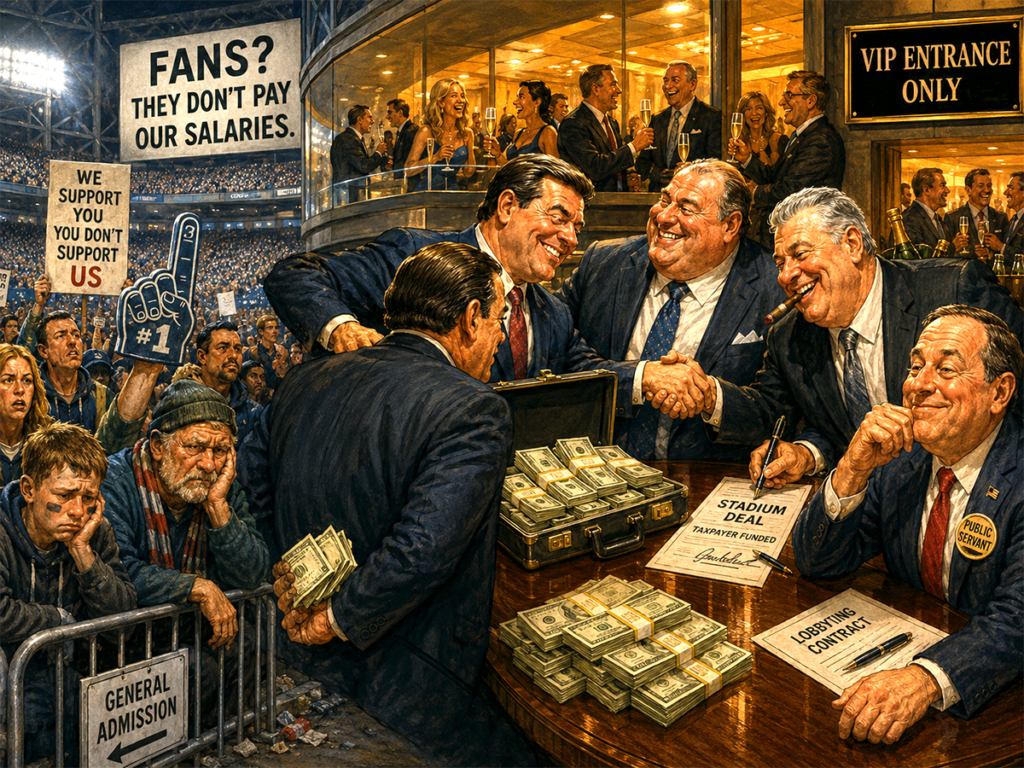
Although professional franchises are owned by some of America’s wealthiest individuals, teams routinely pressure cities and states to help finance increasingly elaborate stadiums and arenas—often through hundreds of millions of dollars in public bonds, tax diversions, infrastructure spending and tax exemptions.
The controversy is heightened because the new facilities increasingly emphasize luxury suites, premium clubs, enormous video boards, restaurants and surrounding commercial developments. These improvements can increase the value and revenue of a privately owned franchise, while a substantial portion of the construction risk is transferred to the public.
Between 1970 and 2020, state and local governments in the United States and Canada contributed an estimated $33 billion toward major-league stadiums and arenas. Among facilities receiving public money, the median public contribution covered 73% of construction costs.
Click the NEW STADIUMS tab below for additional data.
Brookings Institute estimated that 36 major professional-sports facilities built or extensively renovated from 2000 through 2016 received about $3.2 billion in federal tax subsidies, with the total federal revenue loss approaching $3.7 billion.
If a stadium succeeds, the franchise owner receives much of the increase in team value, premium-seat revenue, sponsorship income and development opportunity. If the financial projections disappoint, the public generally cannot relocate its investment or recover the money as easily as the team can threaten to relocate.
Public financing is not inevitable. Gillette Stadium was built for approximately $325 million through private financing, and the much more expensive SoFi Stadium used private construction financing. These examples show that wealthy ownership groups can finance stadiums when they believe the prospective revenue justifies the investment.
Do stadiums repay the public investment?
The dominant finding in sports economics is that stadiums usually produce little or no measurable increase in metropolitan employment, income or overall economic growth. Much of the spending at games is transferred from restaurants, theaters and other local entertainment rather than being entirely new economic activity. Public dollars also have an opportunity cost: money or tax revenue committed to a stadium cannot simultaneously support transportation, parks, schools or other public investments.
That does not mean stadiums have no value. They can create construction work, preserve a team’s presence, host concerts and major events, stimulate development immediately around a site and provide civic pride. Some recent scholarship argues that these public and intangible benefits should be included more carefully rather than dismissed simply because conventional economic growth is limited. The question is whether those benefits are worth subsidies that frequently reach hundreds of millions or more.
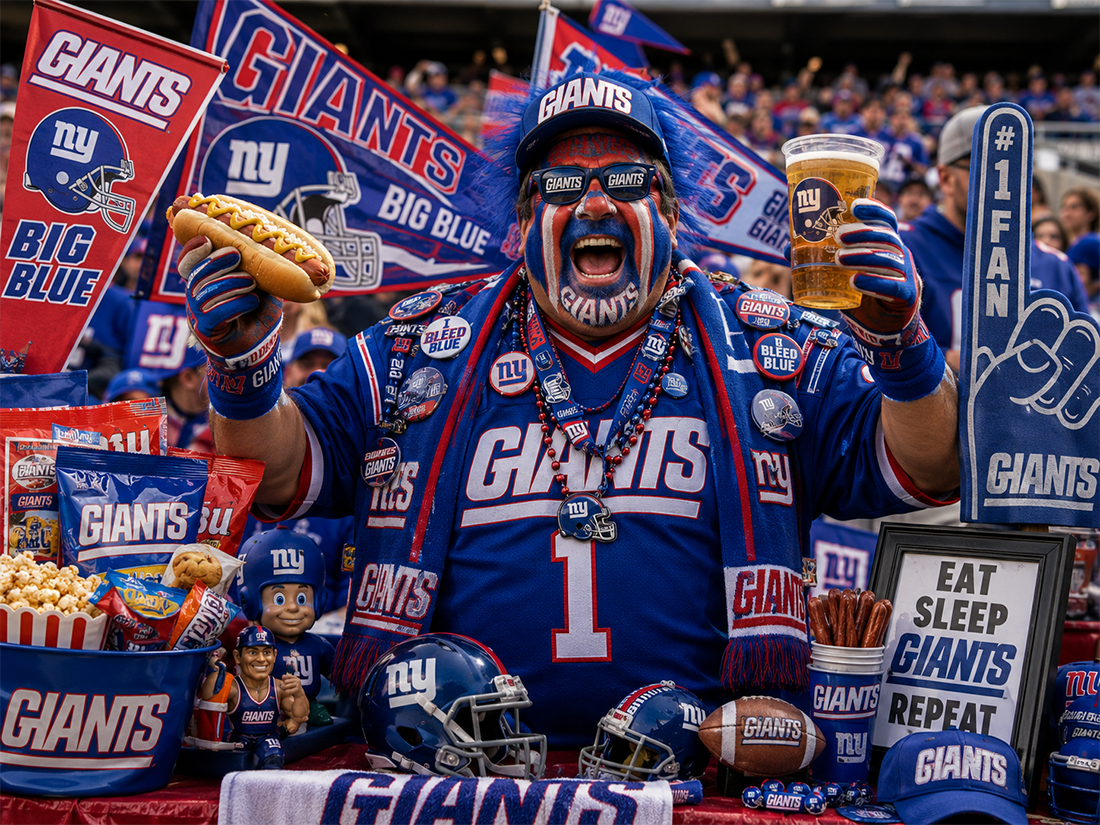
Using Forbes’ latest complete worldwide ranking, published December 18, 2025, the first ten sports teams have a combined estimated value of $98.45 billion. Forbes valuations are estimates of what each franchise could be worth in a transaction—not yearly revenue or profit.
What stands out
Seven of the first ten are NFL franchises and three are NBA teams. No soccer, baseball or hockey team appears among the first ten unless the Yankees are included in the tenth-place tie. The Dallas Cowboys alone are valued at $13 billion, up from $10.1 billion in 2024. The next 4 are the Golden State Warriors, LA Rams, NY Giants and the LA Lakers.
Click tab TEAM VALUATIONS for all Top 10.

Yes, the “circuses” part of “bread & circuses” have come to Rome,,,,,,,,,. err, America! As government influence and dependency grows, you can wager the “bread” will not remain behind for long!
Love this one Paul. I grew up around many amazing athletes. Memories for me of being around my uncle who was a star basketball player for CCNY in the 1940s,He was coached by the y Nat Holman who led his 1950 team to win both the NIT and the NCAA. Never happened again. Shooting hoops with him in his backyard led me to knock being a bball player throughout high school. My dad played basketball and baseball for Brooklyn College so I always had a ball in my hand.The first broadcaster/star personality was Marty Glickman who called the play by play on radio for the NY Giants football and NY Knicks basketball. He coined the phrase “swishhhhhhh.” Marty was my dad’s best friend so I was exposed to pro players who would have dinner with us. Sam Huff, Y A TIttle, Del Shofner, Andy Robustelli, Jim Katcavage, each an all star fro the Giants. I used to shoot baskets with them in my backyard. No surprise I guess that I ended up working in the sports world for 45 years.Thanks for triggering these memories. I agree with your comments about the way that sports for kids has changed so much. Parents are out of control with winning being everything even at the cost of character. I do believe that there is some hope as more athletes seem to be engaging more with being role models, such as Stephen Curry, Roger Federer, Rafa Nadal, Scotty Scheffler, Lewis Hamilton, Simone Biles, Coco Gauff.
Thanks Bob for your comments and for sharing a bit of your history in the sporting world.
Paul